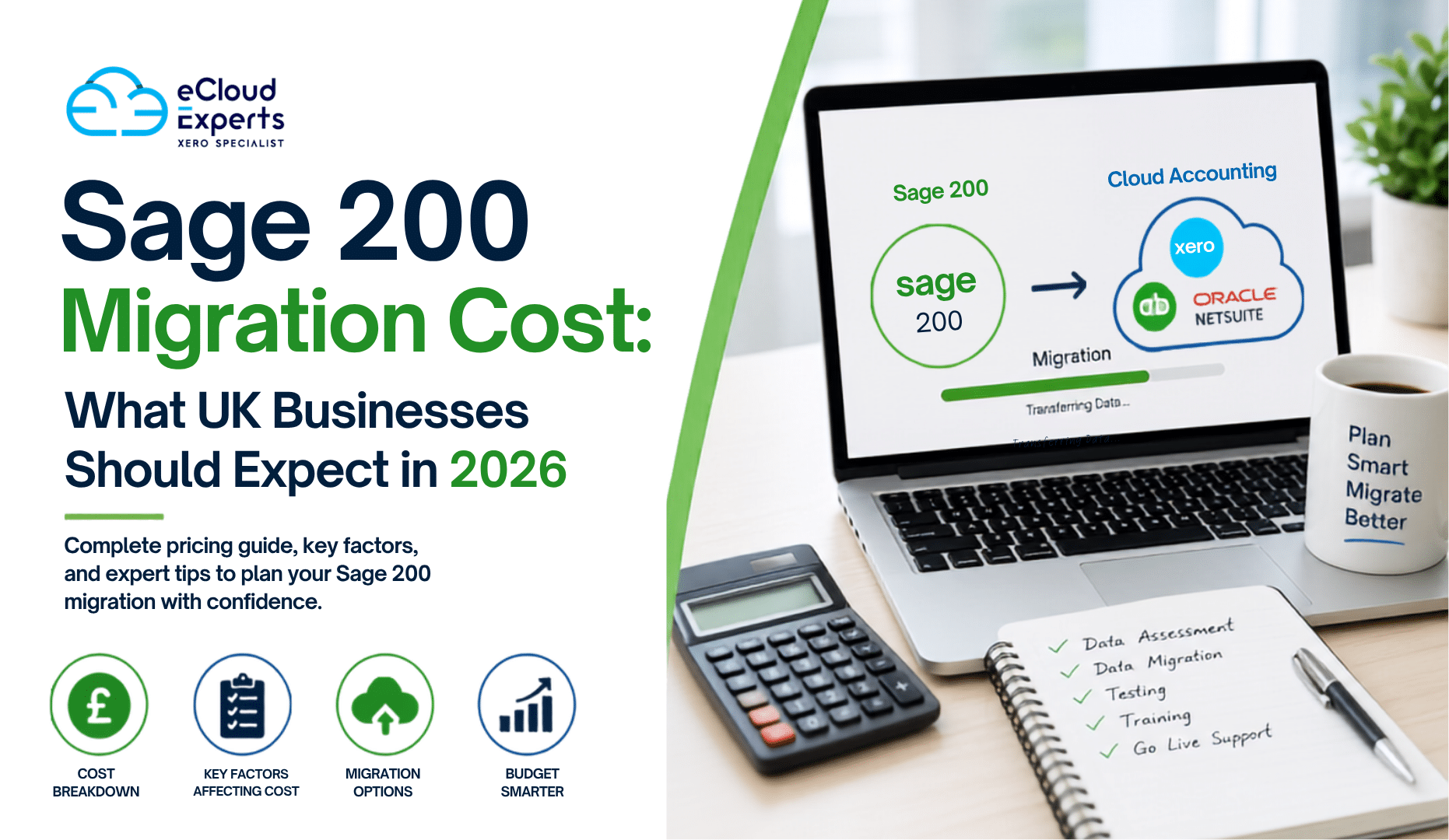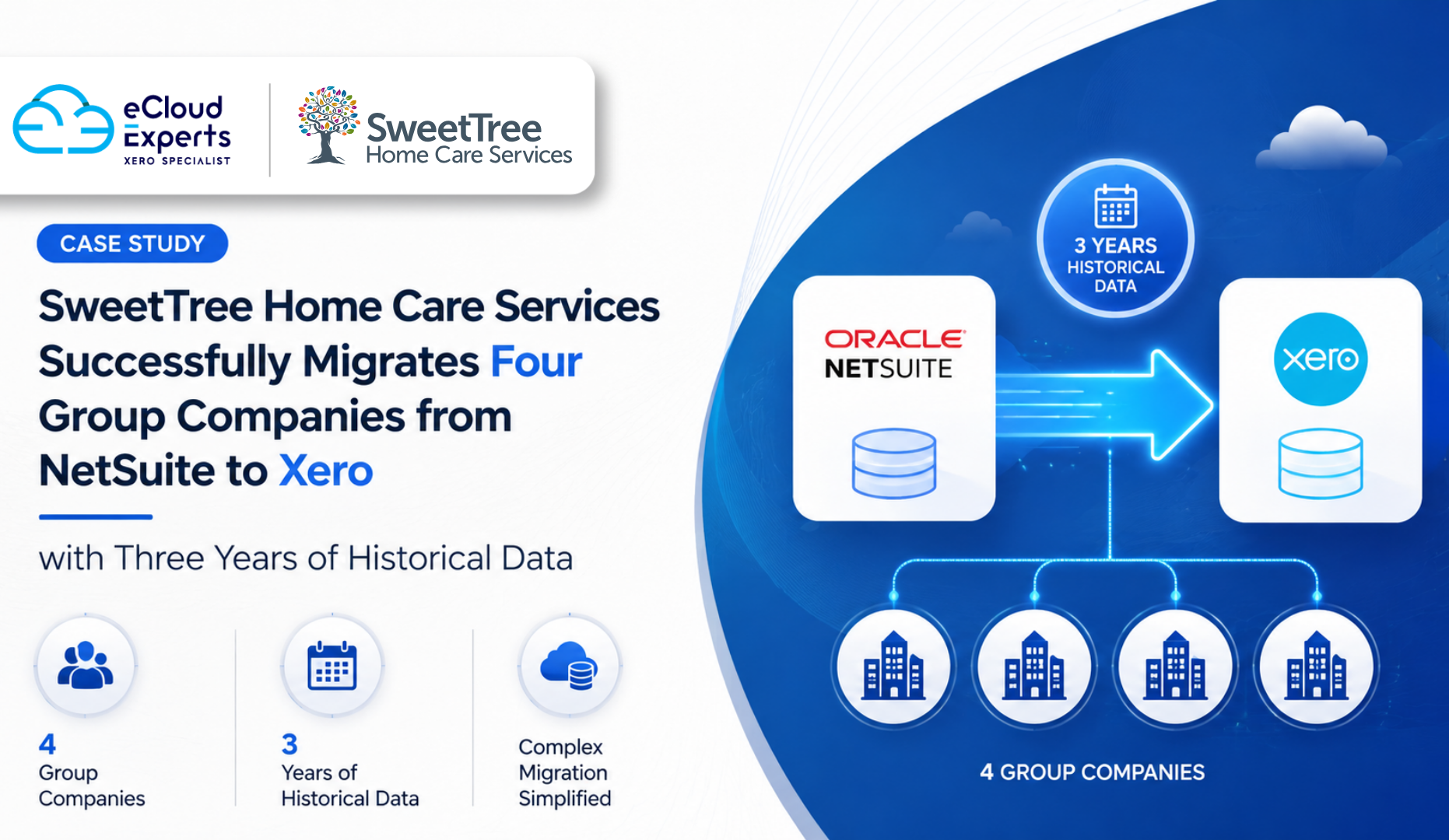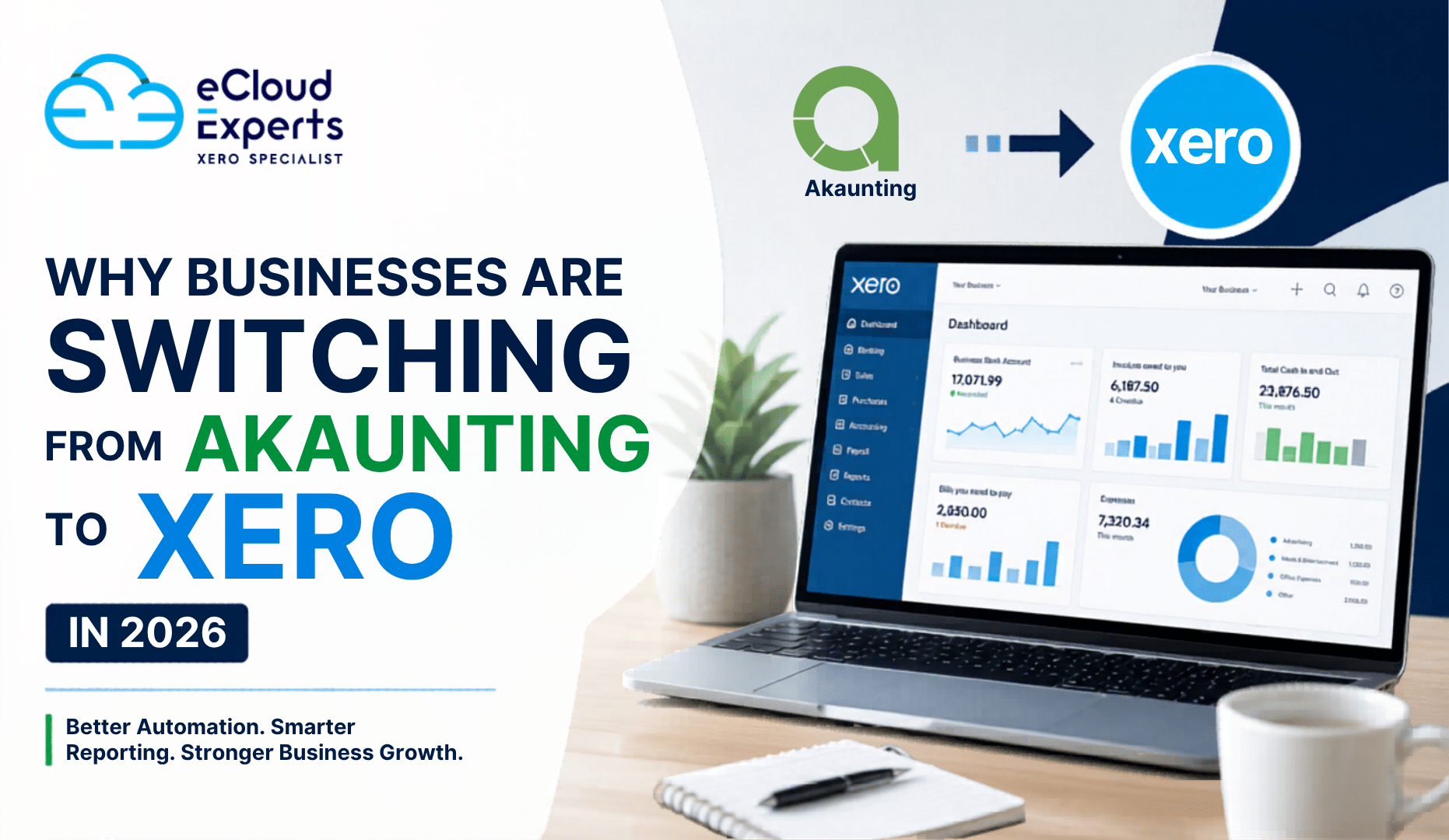

Switching accounting software is rarely just a technical decision. For most business owners, it is a trust decision. Your numbers drive decisions, cash flow planning, tax compliance, and long term growth. When those numbers move from one system to another, you want to know exactly what will happen and how long it will take.
That is why the Xero migration timeline matters so much.
Many guides talk about features and benefits, but very few explain the real process in a way that makes sense to non accountants. Business owners are left guessing.
This guide exists to remove that uncertainty.
By the end of this article, you will understand the full Xero migration timeline from start to finish. You will know what happens at each stage, how long it usually takes, and what you can do to avoid delays. More importantly, you will understand why each step exists and why skipping steps almost always causes problems later.
No hype. No shortcuts. Just a clear honest view of what to expect when migrating to Xero.
Why the Xero Migration Timeline Matters More Than You Think
Time is the first question business owners ask about migration. How long will it take and how much disruption will it cause.
What many do not realize is that the Xero migration timeline is closely tied to data accuracy. A rushed migration often looks successful at first. The software opens. The dashboard loads. Invoices appear. Everything feels fine.
The problems show up later.
Reports start to look odd. VAT numbers do not match previous returns. Customer balances are off. Bank reconciliations feel impossible to complete. At that point, the migration is technically finished but the cleanup work begins.
A realistic Xero migration timeline prevents this scenario. It gives enough time to review data, correct errors, and confirm that numbers align with reality. It also protects confidence in the system. When you trust your reports, you use them. When you do not, you ignore them.
Another reason the timeline matters is planning. Businesses operate around deadlines. VAT submissions, payroll runs, investor reports, and year end accounts all rely on accurate data. Knowing the Xero migration timeline upfront allows you to choose the right moment to switch without unnecessary pressure.
In short, the timeline is not about speed. It is about control.
Understanding the Full Scope of a Xero Migration
Before breaking down the timeline, it helps to understand what a Xero migration actually includes.
A proper migration is not just moving numbers from one place to another. It involves reviewing how your accounts are structured, how transactions are recorded, and how reports are generated.
A full Xero migration may include contacts, customers, suppliers, opening balances, unpaid invoices, unpaid bills, bank balances, tax settings, tracking categories, and historical transactions. It may also involve setting up integrations with payment platforms, ecommerce systems, or payroll software.
Each of these elements affects the Xero migration timeline. The more moving parts involved, the more careful planning is required.
This is why there is no single answer to how long a migration takes. The timeline must reflect the reality of your business, not a generic estimate.
What Impacts a Xero Migration Timeline
Several factors determine how long a Xero migration will take. Understanding these factors helps set realistic expectations.
The first factor is your current accounting system. Moving from spreadsheets is often faster because there is less system logic involved. However spreadsheets often contain hidden errors that require careful review. Moving from established software like QuickBooks or Sage usually takes longer because data structures are more complex.
The second factor is data quality. Clean reconciled accounts shorten the Xero migration timeline. Messy data extends it. Common issues include unreconciled bank accounts, duplicate transactions, incorrect VAT treatment, and inconsistent account usage. These issues must be resolved before migration to avoid importing problems into Xero.
The third factor is data volume. Migrating opening balances only is faster than migrating full transaction history. Some businesses choose to bring across one or two years of data. Others bring everything. Each choice affects preparation time, migration time, and testing time.
The fourth factor is timing. Migrating at a clean break point such as the start of a month or financial year simplifies the process. Migrating mid period requires additional adjustments and checks, which extends the timeline.
Finally, internal availability matters. Delays often occur when key information is missing or questions go unanswered. Clear communication keeps the Xero migration timeline moving smoothly.
Stage One Discovery and Planning
The first stage of the Xero migration timeline is discovery and planning. This stage sets the foundation for everything that follows.
During discovery, your existing accounting setup is reviewed. This includes the current software, chart of accounts, VAT settings, bank accounts, and reporting structure. The goal is not to move data yet, but to understand it.
Planning decisions are made at this stage. These include the migration date, the amount of historical data to migrate, and how to handle open transactions. Decisions are also made about whether any structural changes should happen during the migration, such as simplifying the chart of accounts or correcting long standing issues.
This stage often reveals problems that were previously hidden. That is a good thing. Finding issues early keeps them from becoming bigger problems later.
Discovery and planning typically takes several days to one week. Rushing this stage usually leads to delays further down the Xero migration timeline.
Stage Two Data Review and Preparation
Data preparation is the most important and time consuming stage of the Xero migration timeline.
At this stage, the focus shifts from planning to detail. Bank reconciliations are reviewed. Customer and supplier balances are checked. Outstanding invoices and bills are verified. VAT reports are reviewed to ensure figures are correct and supported.
If errors exist, they are corrected in the old system before migration. This prevents incorrect data from being carried forward. Fixing errors after migration is always harder and more expensive.
This stage also includes preparing data for import. Files are cleaned. Duplicates are removed. Account codes are mapped correctly to Xero.
Depending on complexity, data preparation can take one to three weeks. This stage often determines whether the overall Xero migration timeline stays on track or slips.
Stage Three The Migration Process
Once data is prepared, the migration itself begins.
This is the stage where data is imported into Xero according to the agreed plan. Contacts are imported first, followed by opening balances, unpaid invoices, unpaid bills, and historical transactions if included.
Despite common belief, this stage is often one of the shortest in the Xero migration timeline. The actual transfer of data can be completed in days.
However speed does not mean carelessness. Each import is checked to confirm that data lands correctly. Tax settings are verified. Account balances are reviewed.
Any issues found at this stage are addressed immediately before understanding is lost.
Stage Four Testing and Verification
Testing is where confidence is built.
After migration, reports in Xero are compared against reports from the old system. Trial balances are reviewed. Aged receivables and payables are checked. VAT reports are reviewed line by line.
Bank balances are confirmed. Opening equity accounts are checked. Nothing is assumed.
This stage exists because no migration is perfect by default. Testing ensures that what was planned has been achieved.
Testing and verification can take several days to over a week depending on complexity. Skipping this stage is the fastest way to break trust in Xero.
Stage Five Go Live and Post Migration Support
Once testing is complete and figures are confirmed, the business officially goes live on Xero. This is the point where Xero becomes the system used day to day and the old system is no longer relied on for new transactions.
Going live involves more than just logging in and starting work. The old accounting system is locked to prevent changes that could cause confusion or duplicate data. Opening dates in Xero are confirmed so that new transactions fall into the correct periods. Daily processes such as raising invoices, recording bills, reconciling bank transactions, and reviewing reports are checked in real working conditions.
This stage is where theory meets reality. Even with thorough testing, real world usage often raises questions. A report may look different from what a business owner is used to. A process may feel unfamiliar at first. These are normal adjustments, not problems.
Post migration support plays a critical role during this period. Having access to guidance prevents small questions from turning into costly mistakes. It also helps users build confidence in Xero quickly, so the system supports the business instead of slowing it down.
This stage of the Xero migration timeline usually lasts one to two weeks. Many businesses feel comfortable much sooner, but having support available during this window ensures a smooth transition and long term success.
Typical Xero Migration Timeline Scenarios
The length of a Xero migration timeline depends on the type and condition of the business records being moved.
A small service based business with clean and well maintained records often completes a Xero migration timeline in two to three weeks. With fewer transactions and simple reporting needs, preparation and testing are usually straightforward.
A growing business with VAT, multiple bank accounts, and some historical data typically needs three to five weeks. Additional time is required to review tax treatment, confirm balances, and test reports across different areas of the business.
A more complex business with messy records, unreconciled accounts, or a long transaction history may require six weeks or more. In these cases, extra time is spent correcting issues before migration to avoid carrying problems into Xero.
The most important point is that the Xero migration timeline should match the reality of the business. Choosing the right timeline protects accuracy, reduces stress, and leads to better results after the migration is complete.
There is no benefit to forcing a shorter timeline than the business can realistically support.
Common Delays and How to Avoid Them
Most delays in a Xero migration timeline are predictable.
Incomplete records slow preparation. Unreconciled accounts cause confusion. Unclear tax treatment leads to repeated checks.
Another common delay is last minute scope changes. Changing how much data is migrated halfway through the process almost always extends the timeline.
Clear planning, early preparation, and honest communication prevent most delays.
Should You Pause Business Activity During Migration
One common concern is whether business must stop during migration.
In most cases, the answer is no.
A well planned Xero migration timeline allows business activity to continue while preparation and migration happen in the background. A clean cut off date ensures that transactions are not lost or duplicated.
The key is coordination. Knowing when to stop using the old system and start using Xero prevents overlap and confusion.
The Cost of Rushing a Xero Migration Timeline
Rushing a migration often looks attractive at first. The promise of a quick switch and a lower upfront cost can feel like the sensible option, especially when time is tight or deadlines are close. On the surface, moving fast seems efficient.
In reality, a rushed Xero migration timeline almost always costs more.
When data is moved without proper review, small errors slip through. Opening balances may be slightly off. VAT may be treated incorrectly. Customer or supplier balances may not agree with reality. These issues rarely show up immediately. They surface weeks or even months later when reports are needed for tax, funding, or decision making.
Fixing problems after migration takes far more time than preventing them beforehand. Errors must be traced back to their source, adjustments made carefully, and reports rechecked. In many cases, the business pays twice. Once for the rushed migration, and again for the cleanup work that follows.
There is also a hidden cost that often gets overlooked. Trust.
When numbers do not look right, business owners lose confidence in the system. They stop relying on reports. Decisions are made based on instinct instead of data. Xero becomes something that must be tolerated rather than used properly.
A realistic Xero migration timeline avoids this outcome. By allowing enough time for preparation, testing, and verification, the migration delivers accurate numbers from day one. That accuracy saves time, reduces stress, and lowers costs over the long term.
Getting it right the first time is always cheaper than fixing it later.
Final Thoughts
A Xero migration timeline is not a guess. It is a structured process that protects your business data and future decisions.
When planned properly, migrating to Xero feels controlled, predictable, and calm. When rushed, it creates problems that linger long after the switch.
Understanding the timeline allows you to move with confidence instead of uncertainty.
Call to Action
If you want a safe accurate move to Xero with a clear timeline and no surprises, eCloud Experts can help. We plan every Xero migration timeline carefully so you always know what comes next. Speak to our team today and start your migration the right way.