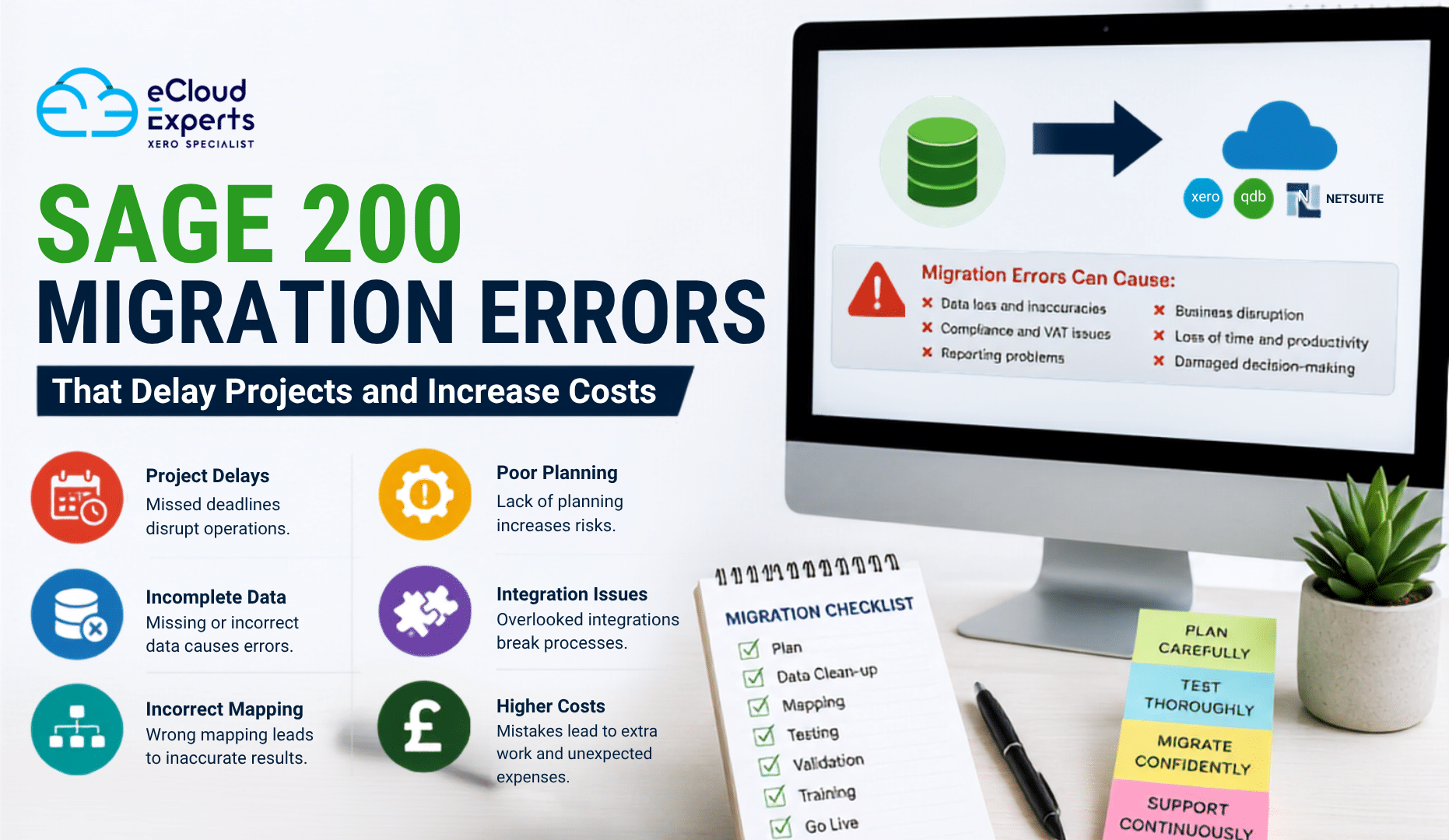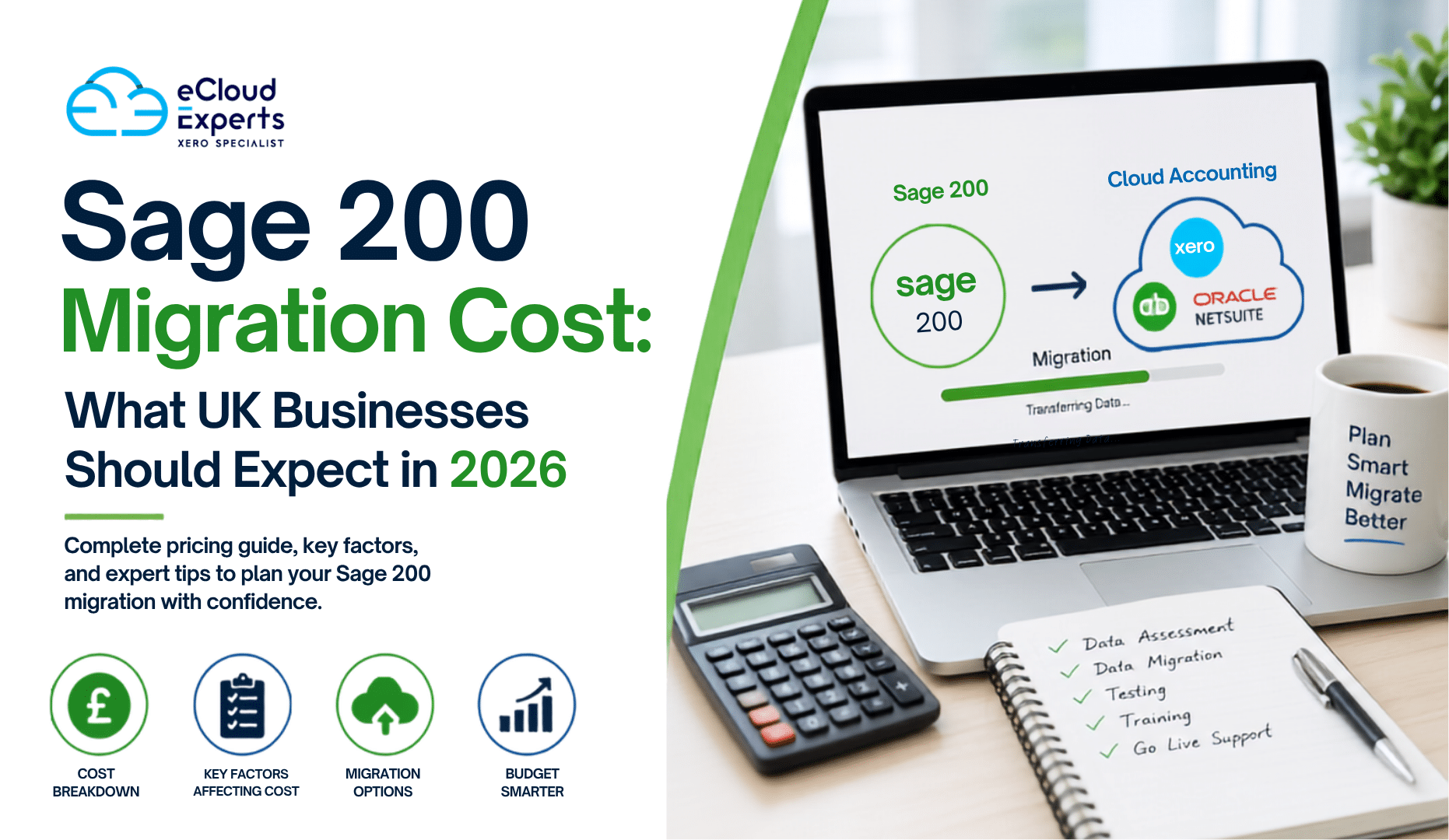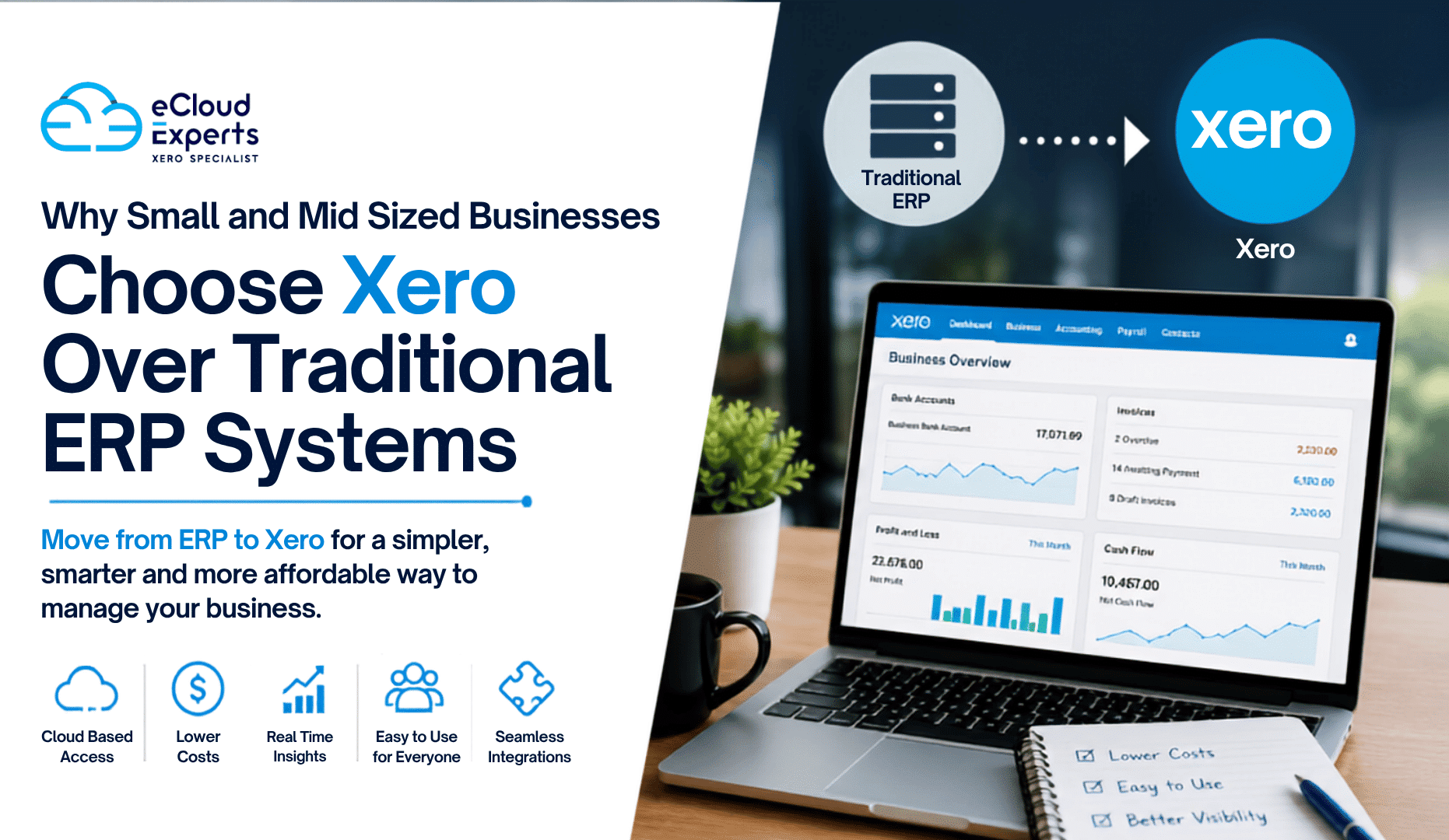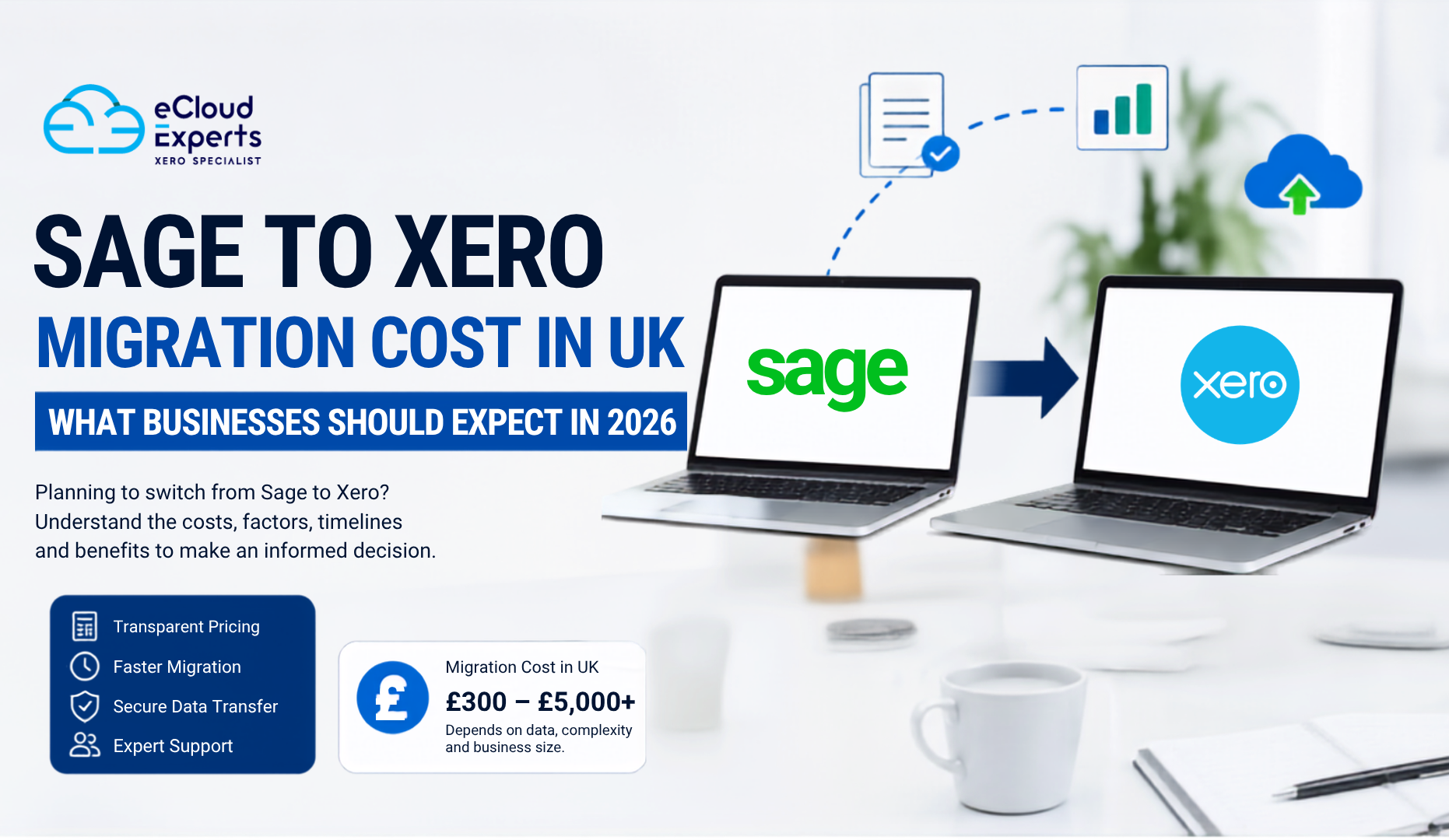
Choosing accounting software is a significant business decision. The right platform should support accurate financial reporting, efficient workflows, appropriate controls, and the organization’s long-term operating model. However, as a business changes, the system that once met its needs may no longer be the most practical option.
For some organizations, NetSuite provides essential enterprise-level functionality. For others, its complexity, cost, and administrative requirements may become disproportionate to the value they receive. In these circumstances, replacing NetSuite with Xero may be worth considering.
But a migration should not be based solely on the desire for a simpler interface or lower subscription costs. Xero and NetSuite serve different business requirements, and moving between them requires a careful assessment of functionality, data, reporting, integrations, and future growth.
The central question is not whether Xero is universally better than NetSuite. It is whether Xero can support your business requirements more efficiently and sustainably than your current system.
This guide explains when replacing NetSuite with Xero may make sense, when it may not, and how to evaluate and plan the transition.
Why Businesses Consider Replacing NetSuite with Xero
Businesses typically consider an accounting software migration when their current platform no longer aligns with their operational needs. The reasons can be financial, organizational, technical, or strategic.
Common reasons for considering a NetSuite replacement include:
- The business uses only a limited portion of NetSuite’s functionality.
- Software and administration costs have become difficult to justify.
- Accounting workflows are more complex than necessary.
- The finance team needs a more straightforward day-to-day system.
- The organization has simplified its legal or operational structure.
- Existing customizations and integrations require significant maintenance.
- Reporting requirements have become more standardized.
- The business wants to reduce unnecessary administrative overhead.
- The current system no longer reflects the organization’s operating model.
These factors do not automatically mean that Xero is the right replacement. They indicate that the business should reassess whether its current accounting environment remains appropriate.
A successful migration begins with understanding the underlying business problem—not selecting a new platform first.
When Does It Make Sense to Replace NetSuite with Xero?
There is no universal revenue threshold, employee count, or transaction volume that determines whether replacing NetSuite with Xero is appropriate. The decision depends on the complexity of the business, the functionality it actually uses, and the requirements it must continue to support.
The following situations may justify a detailed evaluation.
1. Your Business No Longer Needs Enterprise-Level Complexity
NetSuite is designed to support a broad range of business processes, including financial management, multi-entity operations, inventory, procurement, order management, and other enterprise functions.
However, not every business requires all of these capabilities.
A company may have adopted NetSuite during a period of expansion, restructuring, or operational complexity. Over time, its circumstances may have changed. It may now operate with fewer entities, simpler transactions, a smaller finance team, or a more focused service offering.
When a business uses only a fraction of its current platform, the additional complexity may create unnecessary work.
For example, a company that primarily needs:
- General ledger accounting
- Bank reconciliation
- Accounts payable and receivable
- Invoicing
- Standard financial reporting
- Tax-related accounting workflows
- Basic management reporting
- Essential integrations
may not require the full breadth of an enterprise resource planning system.
In such cases, replacing NetSuite with Xero may provide an opportunity to align the accounting environment with the business’s actual requirements.
The important consideration is whether the organization can operate effectively without the advanced functionality it currently has. Removing unused features is not a problem; removing functionality that supports critical processes is.
2. The Total Cost of Operating NetSuite Has Become Disproportionate
Software costs should be assessed in the context of the value the system provides.
The cost of maintaining NetSuite may include more than licensing or subscription fees. Businesses should also consider:
- Implementation and configuration costs
- Ongoing customization
- Technical administration
- External consultancy
- Integration maintenance
- User training
- Support and troubleshooting
- Internal time spent managing complex workflows
- Costs associated with inefficient processes
- Additional reporting or data-management work
If the business is paying for functionality it rarely uses, the total cost of ownership may no longer align with its needs.
Replacing NetSuite with Xero may reduce certain operating costs, but the potential savings should be calculated carefully. A migration also requires investment in:
- Data preparation
- System configuration
- Process redesign
- Testing
- Training
- Integration setup
- Parallel reporting or reconciliation
- Post-migration support
The correct comparison is therefore not simply the subscription price of NetSuite versus Xero. It is the total cost of ownership and operational value of each system.
A lower-cost platform is only beneficial if it continues to support accurate accounting, reliable reporting, and essential business processes.
3. Your Finance Team Needs a More Efficient Day-to-Day Workflow
Accounting software should help finance professionals complete routine tasks accurately and consistently. When a system introduces unnecessary complexity into everyday work, it can affect productivity and reporting timelines.
A business may begin evaluating Xero when its finance team finds that routine activities require more steps, administration, or technical knowledge than necessary.
Examples may include:
- Processing standard transactions through overly complex workflows
- Maintaining custom reports that are no longer essential
- Managing unnecessary system permissions
- Requiring extensive support for routine accounting tasks
- Spending excessive time navigating the system
- Relying on specialist knowledge for basic processes
Xero may be worth considering when the business needs a more straightforward accounting environment for its current operations.
However, ease of use should be evaluated alongside functionality. A system that is simple to navigate but cannot support the organization’s reporting, control, or integration requirements may create different problems.
The objective is not simply to make accounting software easier to use. It is to create a workflow that is efficient, controlled, and appropriate for the business.
4. Your Reporting Requirements Are Relatively Straightforward
Financial reporting requirements are one of the most important factors in a NetSuite-to-Xero migration.
NetSuite can support complex reporting structures, including multi-entity reporting, consolidated financial statements, detailed classifications, and advanced management reporting.
If your business primarily requires standard accounting reports, Xero may be capable of supporting many of its needs through its core functionality and connected applications.
Typical reporting requirements may include:
- Profit and loss statements
- Balance sheets
- Cash flow reporting
- Accounts receivable and payable reports
- Budget comparisons
- Management accounts
- Tax-related reports
- Standard financial analysis
However, businesses should not assume that every report currently produced in NetSuite will transfer directly to Xero.
Before migrating, create an inventory of the reports your organization uses. For each report, identify:
- Who uses it?
- How frequently is it produced?
- What decisions does it support?
- What data does it require?
- Is it legally, operationally, or commercially essential?
- Can it be reproduced in Xero or through an integrated reporting solution?
This approach helps distinguish essential reporting requirements from reports that exist only because the current system makes them available.
5. Your Business Structure Has Become Simpler
A business’s legal and operational structure can change significantly over time.
An organization may reduce the number of entities it operates, consolidate financial activities, simplify ownership arrangements, or move away from complex operational models.
If NetSuite was originally implemented to support a more complicated structure, the system may now provide capabilities that are no longer necessary.
Replacing NetSuite with Xero may be worth evaluating when the business has:
- Fewer legal entities
- A simpler chart of accounts
- Reduced intercompany activity
- Fewer currencies or reporting requirements
- Less complex operational workflows
- A smaller number of users
- More standardized accounting processes
The key is to assess whether the simplified structure can be supported effectively in the proposed Xero environment.
Businesses should also consider whether the current structure is genuinely stable. A migration that works for today’s organization may become restrictive if the company expects significant structural changes in the near future.
6. Your Current Customizations Are Creating More Work Than Value
Customizations can help an accounting system meet specific business requirements. However, they can also increase complexity, maintenance requirements, and dependence on specialist support.
Over time, a business may accumulate:
- Custom scripts
- Custom fields
- Complex approval workflows
- Bespoke reports
- Specialized integrations
- Manual workarounds
- Processes that only a small number of employees understand
Some customizations may be essential. Others may no longer be necessary.
Before replacing NetSuite with Xero, review each customization and classify it as:
- Essential: Required for compliance, financial accuracy, or critical operations.
- Useful: Provides value but may be replaceable through a simpler process.
- Outdated: No longer supports the current business model.
- Redundant: Can be removed without affecting operations.
This review can reveal whether the business needs a different platform or simply a better-designed workflow.
It can also help determine whether Xero can support the required functionality through its native features or connected applications.
When Replacing NetSuite with Xero May Not Make Sense
A simpler accounting platform is not automatically a suitable replacement.
NetSuite may still be the more appropriate system when the business depends on complex functionality that cannot be replicated effectively in Xero or through connected applications.
Before deciding to migrate, carefully assess the following areas.
Complex Multi-Entity Accounting
Businesses operating multiple subsidiaries may require advanced functionality for:
- Intercompany transactions
- Consolidation
- Currency management
- Entity-level reporting
- Intercompany eliminations
- Group-level financial analysis
If these processes are central to the organization, the proposed Xero environment must be assessed carefully.
The business should understand how each requirement will be handled, whether additional applications are needed, and how data accuracy and reporting consistency will be maintained.
Advanced Revenue Recognition
Organizations with complex revenue arrangements may require specialized revenue recognition processes.
This can be particularly relevant for businesses with:
- Long-term contracts
- Subscription arrangements
- Deferred revenue
- Milestone-based billing
- Multiple performance obligations
- Complex revenue allocation requirements
If revenue recognition is a critical part of the accounting process, the business must confirm that the proposed system and supporting applications can meet its accounting requirements.
Extensive Inventory or Operational Management
NetSuite is often used for more than accounting. Businesses may rely on it for inventory, procurement, order management, manufacturing, fulfillment, or other operational processes.
If these functions are essential, replacing NetSuite with Xero may require additional systems or a significant redesign of the operating model.
The question is not simply whether Xero can manage accounting transactions. It is whether the entire business workflow can continue operating effectively after the migration.
Highly Customized Workflows and Integrations
A business may have invested heavily in integrations between NetSuite and other systems.
These may include:
- E-commerce platforms
- Payment gateways
- Customer relationship management systems
- Inventory applications
- Payroll systems
- Expense management tools
- Reporting platforms
- Banking and payment systems
Each integration should be reviewed before migration.
A direct replacement may not exist, and some workflows may need to be redesigned. If an integration supports a critical business process, it should not be treated as a minor technical detail.
Significant Future Growth in Complexity
A migration should consider the business’s expected direction.
If the organization anticipates:
- Rapid international expansion
- Additional subsidiaries
- Complex inventory requirements
- Increased transaction volumes
- More sophisticated reporting
- Advanced operational management
- Greater regulatory or control requirements
then it should assess whether Xero can support those requirements over the expected planning period.
The goal is not to select the largest possible system. It is to avoid replacing one unsuitable environment with another.
NetSuite vs Xero: Key Areas to Compare
A structured comparison helps businesses evaluate whether replacing NetSuite with Xero is practical.
| Evaluation Area | Questions to Consider |
| Core accounting | Can the proposed system support the required accounting processes? |
| Financial reporting | Can it produce the reports management and stakeholders need? |
| Multi-entity accounting | How will entities, currencies, and intercompany activity be managed? |
| Revenue recognition | Can the required revenue processes be supported accurately? |
| Inventory | Does the proposed environment support the organization’s inventory requirements? |
| Integrations | Will essential applications continue to work effectively? |
| Internal controls | Can approvals, permissions, and audit trails be maintained? |
| Data migration | Can financial and operational data be transferred or archived appropriately? |
| User experience | Will the finance team be able to complete routine tasks efficiently? |
| Cost | What is the total cost of ownership, including migration and support? |
| Scalability | Can the system support the organization’s expected future requirements? |
| Reporting continuity | Can management reporting continue without disruption? |
This comparison should be based on documented requirements rather than general assumptions about either platform.
What Data Should You Review Before a NetSuite-to-Xero Migration?
Replacing NetSuite with Xero is also a data-management project.
A business should understand what information it needs to transfer, what should be archived, and what may need to be redesigned.
Important data categories may include:
Chart of Accounts
The chart of accounts should be reviewed before migration.
A business may need to:
- Remove redundant accounts
- Consolidate unnecessary categories
- Standardize account names
- Map existing accounts to the proposed Xero structure
- Review reporting classifications
- Confirm tax-related requirements
A migration is an opportunity to improve the accounting structure, but changes should be controlled and documented.
Customer and Supplier Records
Customer and supplier data should be reviewed for:
- Duplicate records
- Inactive accounts
- Incomplete information
- Incorrect tax details
- Outdated payment terms
- Inconsistent naming conventions
Clean master data helps reduce errors after migration.
Opening Balances
Opening balances are one of the most important components of a successful accounting system migration.
The business should determine:
- The appropriate migration date
- The closing balances in NetSuite
- The opening balances required in Xero
- How outstanding transactions will be handled
- How balance sheet accounts will be reconciled
- How retained earnings and historical adjustments will be treated
Opening balances should be validated carefully before the new system becomes the primary accounting environment.
Outstanding Invoices and Bills
Unpaid customer invoices and supplier bills may need to be transferred so that the business can continue managing receivables and payables after go-live.
The migration plan should define:
- Which transactions will be transferred
- Whether historical details are required
- How payment status will be maintained
- How credit notes and adjustments will be handled
- How outstanding balances will be reconciled
Historical Transactions
Not all historical data needs to be migrated into the new system.
Some businesses may require several years of detailed transaction history. Others may only need opening balances and access to archived reports.
The decision should be based on:
- Legal and regulatory requirements
- Audit requirements
- Management reporting needs
- Tax requirements
- Operational requirements
- The cost and complexity of transferring historical data
A well-planned migration preserves necessary information without transferring unnecessary complexity.
Integrations and Supporting Data
If the business relies on external applications, the migration plan should identify what data those systems require.
This may include:
- Customer and supplier identifiers
- Product or service codes
- Payment references
- Tax information
- Tracking categories
- Reporting classifications
- Integration mappings
Data consistency across connected systems is essential for reliable processing after go-live.
How to Plan a Successful NetSuite-to-Xero Migration
A structured migration reduces the risk of financial disruption and helps the business transition with greater confidence.
Step 1: Assess the Current NetSuite Environment
Begin by documenting the current system.
Review:
- Modules in use
- Accounting workflows
- Reports
- Customizations
- Integrations
- User roles
- Approval processes
- Data structures
- Month-end procedures
- Compliance requirements
This assessment creates a clear picture of what the business currently depends on.
Step 2: Define the Business Requirements
Identify what the organization needs from its accounting system.
Separate requirements into three categories:
- Essential: The system must support these functions.
- Important: These functions provide value but may have alternative solutions.
- Optional: These features are useful but not necessary for successful operations.
This helps prevent the migration from becoming a simple feature comparison.
Step 3: Evaluate Xero and Connected Applications
Review Xero against the documented requirements.
Where Xero does not provide a required function natively, determine whether a suitable connected application or redesigned process can support it.
The proposed environment should be evaluated as a complete solution rather than as a standalone application.
Step 4: Design the Future Accounting Workflow
A migration is an opportunity to improve processes.
Define how the business will handle:
- Invoicing
- Supplier bills
- Bank reconciliation
- Payments
- Expense processing
- Approvals
- Month-end close
- Financial reporting
- Tax-related workflows
- User access
- Data retention
The future workflow should be documented before configuration begins.
Step 5: Prepare and Clean the Data
Data preparation should take place before the migration.
This may include:
- Reviewing the chart of accounts
- Removing duplicate records
- Validating balances
- Reviewing outstanding transactions
- Standardizing master data
- Mapping accounts and classifications
- Identifying historical data requirements
Poor-quality data can create problems regardless of which accounting platform is used.
Step 6: Configure the Xero Environment
The proposed Xero environment should be configured according to the approved requirements.
This may include:
- Organization settings
- Chart of accounts
- Tax settings
- Users and permissions
- Bank accounts
- Tracking categories
- Invoice and bill settings
- Reporting configuration
- Connected applications
- Approval workflows
Configuration should be tested against real business scenarios.
Step 7: Test the Migration
Testing should cover both data and processes.
Important testing areas include:
- Opening balances
- Customer and supplier balances
- Invoices and bills
- Bank reconciliation
- Tax calculations
- Financial reports
- User permissions
- Integrations
- Month-end procedures
Where possible, the business should compare reports from NetSuite and Xero to identify discrepancies before go-live.
Step 8: Train the Finance Team
A successful migration depends on user adoption.
Training should focus on the actual responsibilities of each user, including:
- Daily accounting tasks
- Invoicing
- Bills and payments
- Reconciliation
- Reporting
- Approvals
- Month-end procedures
- Error correction
- Data controls
Training should be practical and based on the new workflow.
Step 9: Plan the Go-Live Transition
The business should define:
- The migration date
- The final NetSuite reporting period
- The opening balance date
- The process for handling transactions during transition
- User access arrangements
- Support responsibilities
- Contingency procedures
A clear go-live plan reduces confusion and helps maintain continuity.
Step 10: Review the First Reporting Period
The first month-end after migration is an important validation point.
Review:
- Financial statement accuracy
- Bank reconciliations
- Accounts receivable
- Accounts payable
- Tax reports
- Management reports
- Integration performance
- User issues
- Outstanding data discrepancies
This review helps identify problems before they become recurring issues.
Common Mistakes to Avoid When Replacing NetSuite with Xero
Even a well-intentioned migration can create difficulties if the business focuses too narrowly on the software itself.
Choosing Based Only on Subscription Cost
A lower subscription price does not necessarily mean a lower total cost.
Migration, support, integrations, training, and process changes should all be included in the evaluation.
Migrating Without Reviewing Business Requirements
Moving existing processes into a new system without assessing whether they are still necessary can transfer old inefficiencies into the new environment.
Assuming All Data Must Be Migrated
Transferring unnecessary historical data can increase complexity and create additional reconciliation work.
The migration should preserve what the business needs rather than reproduce every element of the previous system.
Ignoring Integrations
An accounting system rarely operates in isolation. Essential integrations should be assessed before the migration plan is finalized.
Underestimating User Training
Even a straightforward system requires users to understand new processes, permissions, and responsibilities.
Failing to Reconcile Opening Balances
Opening balances must be validated carefully. Errors at this stage can affect every subsequent reporting period.
Overlooking Future Requirements
A system that meets today’s needs may become restrictive if the business expects significant growth or operational changes.
Final Thoughts: Is Replacing NetSuite with Xero the Right Decision?
Replacing NetSuite with Xero can make sense when a business has simpler accounting requirements, wants to reduce unnecessary complexity, or needs a more manageable financial workflow.
However, the decision should be based on a detailed assessment of the organization’s current and future needs.
Before migrating, review:
- Total cost of ownership
- Accounting and reporting requirements
- Multi-entity complexity
- Data and historical records
- Integrations
- Internal controls
- User workflows
- Future growth plans
The objective is not simply to move from one accounting platform to another. It is to create a financial management environment that supports accurate reporting, efficient operations, and sustainable business growth.
A successful migration should leave the business with a system that is easier to manage without compromising the functionality, control, or financial information it depends on.
How Ecloud Expert Can Help
Ecloud Expert can support businesses evaluating and planning accounting software migrations, including the transition from NetSuite to Xero.
Our approach focuses on understanding the existing environment, identifying business requirements, preparing data, reviewing workflows, and supporting a controlled transition.
Whether your goal is to simplify accounting operations, improve reporting efficiency, or reduce unnecessary system complexity, a structured assessment is the first step toward making an informed migration decision.
Considering replacing NetSuite with Xero? Contact Ecloud Expert to discuss your accounting system requirements and migration planning needs.